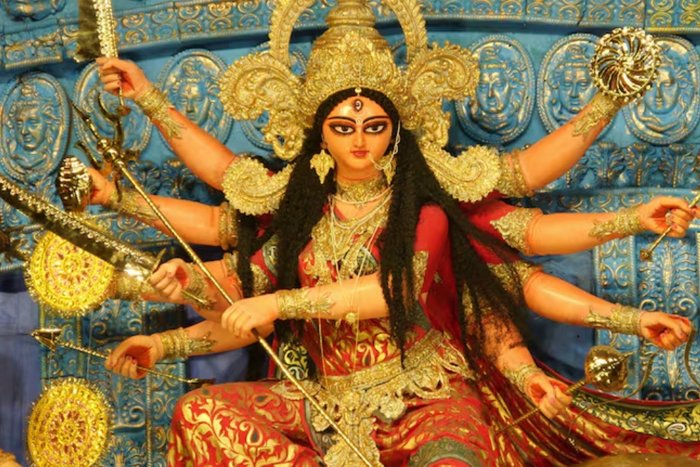
Navratri is a time when homes are filled with prayer, devotion, and the presence of Maa Durga. For nine days, you may worship different forms of the Goddess, observe a fast, prepare special bhog and follow family traditions passed down through generations. Beyond the rituals, the festival also gives you a chance to slow down, bring more discipline into your routine and focus on faith and positivity.
According to Gurudev Vikrant Jain, chairman and founder of the Indian Institute of Vedic Science, you should approach Navratri with a clean heart, a peaceful mind and sincerity in your puja. He suggests beginning by cleaning yourself and the puja area, followed by Ghatasthapana at the appropriate muhurat. You can then offer flowers, fruits and bhog to Maa Durga, light a diya and chant mantras. He also advises you to avoid unnecessary arguments, negative thoughts, and conflict during the nine-day festival.
When is Navratri 2026?
Sharad Navratri 2026 will begin on October 11, 2026. The nine-day festival will be marked by prayers, fasting and special puja rituals dedicated to Maa Durga.
The festival will conclude with Maha Navami on October 19, followed by Vijayadashami on October 20, 2026.
Navratri 2026 Ghatasthapana Muhurat
For Delhi, the main Ghatasthapana Muhurat on October 11 is:
Date: October 11, 2026
Time: 6:19 AM to 10:12 AM
Abhijit Muhurat: 11:44 AM to 12:31 PM
The exact puja muhurat may vary from one city to another. If you are observing Navratri outside Delhi, check your local Panchang before beginning the Ghatasthapana rituals.
Navratri Puja Vidhi
Gurudev Vikrant Jain recommends keeping your Navratri puja simple, peaceful and sincere.
1. Clean your home and puja area
Before beginning the puja, clean yourself and your home and the area where you will place the Kalash.
2. Set up the kalash
Place a clean Kalash on a small platform. Fill it with water and add the items traditionally used in your family. Place leaves and a coconut on top as part of the setup.
3. Sow jau
During Ghatasthapana, many devotees sow jau, or barley, near the Kalash. The growth of the barley is considered an important part of the Navratri ritual.
4. Pray to Maa Durga
Light a diya and incense and take a sankalp, or spiritual resolve, for the nine days. You can pray to Maa Durga for strength, peace, happiness and well-being.
5. Offer bhog
Offer fresh fruits, flowers, sweets and other sattvik food to Maa Durga. You can follow the bhog practices traditionally observed in your family.
6. Chant mantras
You can chant Maa Durga’s mantras, read the Durga Chalisa or recite other prayers according to your family tradition and personal practice.
7. Perform aarti
End your puja with Maa Durga’s aarti. Try to maintain a regular prayer routine throughout the nine days rather than treating the festival as a one-day observance.
ALSO READ: What does it mean when someone passes away on Mahalaya? The spiritual meaning of dying on Sarva Pitru Amavasya
Dos during Navratri
You can keep these simple practices in mind during the festival:
- Keep your home and puja area clean.
- Take a bath before performing puja.
- Light a diya during your prayers.
- Pray to Maa Durga every day.
- Chant mantras or read the Durga Chalisa.
- Keep your thoughts positive and your mind calm.
- Eat simple and sattvik food.
- Follow fasting practices according to your health and family tradition.
- Help others and donate if possible.
- Stay peaceful and respectful toward others.
Don’ts during Navratri
Along with the rituals, you may also want to avoid certain practices traditionally considered unsuitable during Navratri:
- Avoid unnecessary fights and arguments.
- Stay away from negative thoughts and harsh words.
- Avoid alcohol and non-vegetarian food if you are following traditional Navratri rules.
- Do not leave the puja area dirty.
- Avoid rushing through your prayers and rituals.
- Do not waste food offered as bhog.
- Avoid overeating after breaking a fast.
- Do not force yourself to fast if you have health concerns.
Why is Ghatasthapana important?
Ghatasthapana marks the beginning of Navratri and is an important ritual for devotees who welcome and worship Maa Durga at home. The Kalash is established through the chanting of specific prayers and rituals as part of the festival’s opening.
The timing is also important. Since the Ghatasthapana muhurat can vary from one location to another, you should check the local Panchang before performing the ritual.
Maha Ashtami and Maha Navami 2026
Maha Ashtami will be observed on October 19, 2026. Many devotees mark the day with special puja, fasting and Kanya Pujan.
Maha Navami will also be observed around October 19–20, depending on the local Panchang and the timing of the Tithi.
Both days hold special importance for devotees who worship Maa Durga and observe the final days of Navratri with additional prayers and rituals.
Vijayadashami 2026
Navratri will conclude with Vijayadashami on October 20, 2026. The festival is traditionally associated with the victory of good over evil and marks an important transition after the nine days of Navratri worship.
For many devotees, Vijayadashami is also a time to seek Maa Durga’s blessings and begin new work with a positive state of mind.
Navratri is not only about fasting, puja and following rituals. For you, it can also be a time to bring more calm into your daily life, be mindful of your words and actions, and approach the festival with sincerity and devotion.
Article source: hindustantimes.com